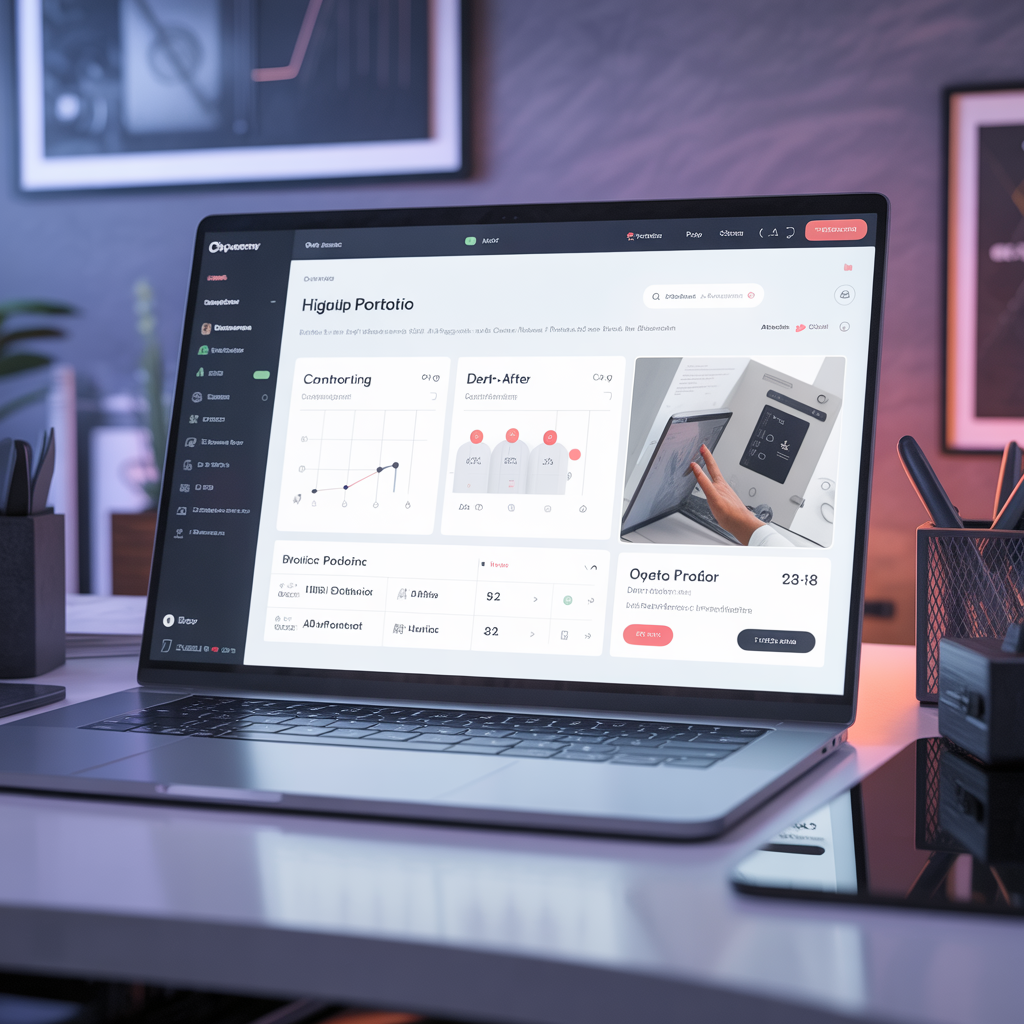
Why low-noise positioning and selective showcasing are quietly outperforming flashy self-promotion in today’s creative market.
The Portfolio Shift Nobody Expected
asorillasdoulla – This Quiet Portfolio Strategy Is Making Big Clients Reach Out First because decision-makers are getting tired of loud marketing and recycled bragging. Instead of chasing viral attention, smart freelancers, designers, consultants, and agencies are building portfolios that feel focused, trustworthy, and intentionally curated.
Clients with bigger budgets rarely search for chaos. They search for clarity.
That is why subtle portfolio positioning has become one of the most effective ways to attract premium inquiries without constantly pitching services online.
What Is a Quiet Portfolio Strategy?
A quiet portfolio strategy focuses on quality over visibility.
Rather than uploading every project, creators display selected work with deeper context, cleaner presentation, and stronger storytelling. The result feels more exclusive and credible.
Key Characteristics of This Strategy
Fewer Projects, Better Positioning
Instead of showing 40 average projects, professionals display 5–8 excellent ones.
Strong Narrative Structure
Every project explains:
- What the problem was
- Who the client was
- Why the strategy worked
- How the results were achieved
Minimal Self-Promotion
The portfolio sells expertise naturally without sounding desperate for attention.
Why Big Clients Prefer Quiet Portfolios
Large clients usually care about reliability more than hype.
When executives or brand managers review portfolios, they often look for:
- Clear communication
- Consistent quality
- Strategic thinking
- Professional restraint
A portfolio overloaded with animations, buzzwords, and endless sales language can reduce trust quickly.
Meanwhile, a calm and polished presentation creates authority almost instantly.
The Psychology Behind Silent Authority
People Trust Curated Expertise
A carefully edited portfolio signals confidence.
When someone only highlights selected projects, viewers assume the creator understands their strengths and market value.
That subtle confidence matters.
Scarcity Creates Curiosity
Showing less can actually increase interest.
When visitors feel there is more behind the scenes, they become more likely to initiate contact and ask questions directly.
That is often how premium conversations begin.
How to Build a Quiet Portfolio That Attracts Premium Clients
Start With Your Best Three Projects
Do not begin with quantity.
Choose projects that demonstrate:
- Problem-solving ability
- Strategic thinking
- Visual clarity
- Measurable outcomes
Even one excellent case study can outperform dozens of generic showcases.
Focus on Results, Not Just Design
Many portfolios fail because they only display visuals.
Premium clients want business impact.
Include metrics such as:
- Conversion increases
- Audience growth
- Engagement improvements
- Revenue impact
- Workflow efficiency
Results make the portfolio feel real.
Create Case Studies Instead of Galleries
A gallery shows images.
A case study tells a story.
What Strong Case Studies Include
The Client Problem
Explain the challenge clearly.
The Strategy
Show how decisions were made.
The Execution
Break down the process step by step.
The Outcome
Highlight measurable success.
This structure helps potential clients imagine working with you.
Why Simplicity Converts Better
Modern audiences scan quickly.
A clean portfolio helps visitors understand your value within seconds.
Remove These Common Distractions
- Overused animations
- Cluttered layouts
- Excessive color combinations
- Long paragraphs without structure
- Generic testimonials
Instead, focus on readability and flow.
That is where premium portfolio storytelling techniques quietly outperform flashy presentation styles.
The Importance of Strategic Positioning
Your portfolio should speak directly to the type of clients you want.
If You Want Luxury Clients
Use elegant visuals, refined typography, and concise messaging.
If You Want Startup Clients
Show agility, innovation, and speed.
If You Want Corporate Clients
Emphasize systems, process, and measurable performance.
The strongest portfolios are not designed for everyone. They are designed for the right audience.
How SEO Helps Quiet Portfolios Grow Organically
Many creators underestimate portfolio SEO.
However, optimized case studies can attract long-term traffic from search engines.
Important SEO Elements
Keyword-Focused Headlines
Use natural search phrases related to your niche.
Internal Linking
Connect related projects and services together.
Fast Mobile Performance
Google rewards speed and usability.
Helpful Content
Answer real questions clients are already searching for.
Quiet portfolios work even better when paired with smart organic visibility.
Common Mistakes That Push Clients Away
Showing Too Many Weak Projects
One poor project can reduce the perceived value of the entire portfolio.
Writing Like a Sales Machine
Overpromising damages credibility.
Ignoring User Experience
Slow-loading pages and confusing navigation create frustration.
Hiding the Contact Process
Make reaching out simple and direct.
Premium clients value efficiency.
Why This Strategy Works in 2026
Online competition continues growing every year.
As a result, audiences have become better at filtering noise.
People now respond more strongly to:
- Authentic expertise
- Focused communication
- Professional restraint
- Clear strategic thinking
That is exactly why quiet portfolio strategies are becoming more powerful across creative industries, consulting, branding, development, and digital services.
FAQ About Quiet Portfolio Strategies
What makes a quiet portfolio different from a traditional one?
A quiet portfolio focuses on selective presentation, deeper storytelling, and strategic clarity instead of volume and aggressive promotion.
Who should use this portfolio strategy?
Freelancers, agencies, designers, developers, consultants, writers, and creative professionals can all benefit from this approach.
How many projects should a strong portfolio include?
Usually between 5 and 8 strong projects is enough if they are detailed and relevant.
Does minimalist design help attract bigger clients?
Yes. Clean and organized presentation improves trust, readability, and professionalism.
Can SEO improve portfolio visibility?
Absolutely. Optimized case studies and keyword-rich structure help portfolios rank organically in search engines.
Why are clients reaching out first now?
Because strong portfolios reduce uncertainty. Clients feel more confident contacting professionals who already demonstrate expertise clearly.
This Quiet Portfolio Strategy Is Making Big Clients Reach Out First because it replaces noise with clarity, confidence, and strategic presentation. In a digital world crowded with constant self-promotion, carefully curated portfolios stand out naturally. Professionals who focus on storytelling, selective case studies, clean structure, and measurable results are attracting stronger opportunities without chasing attention every day. The quieter the confidence, the louder the credibility often becomes.