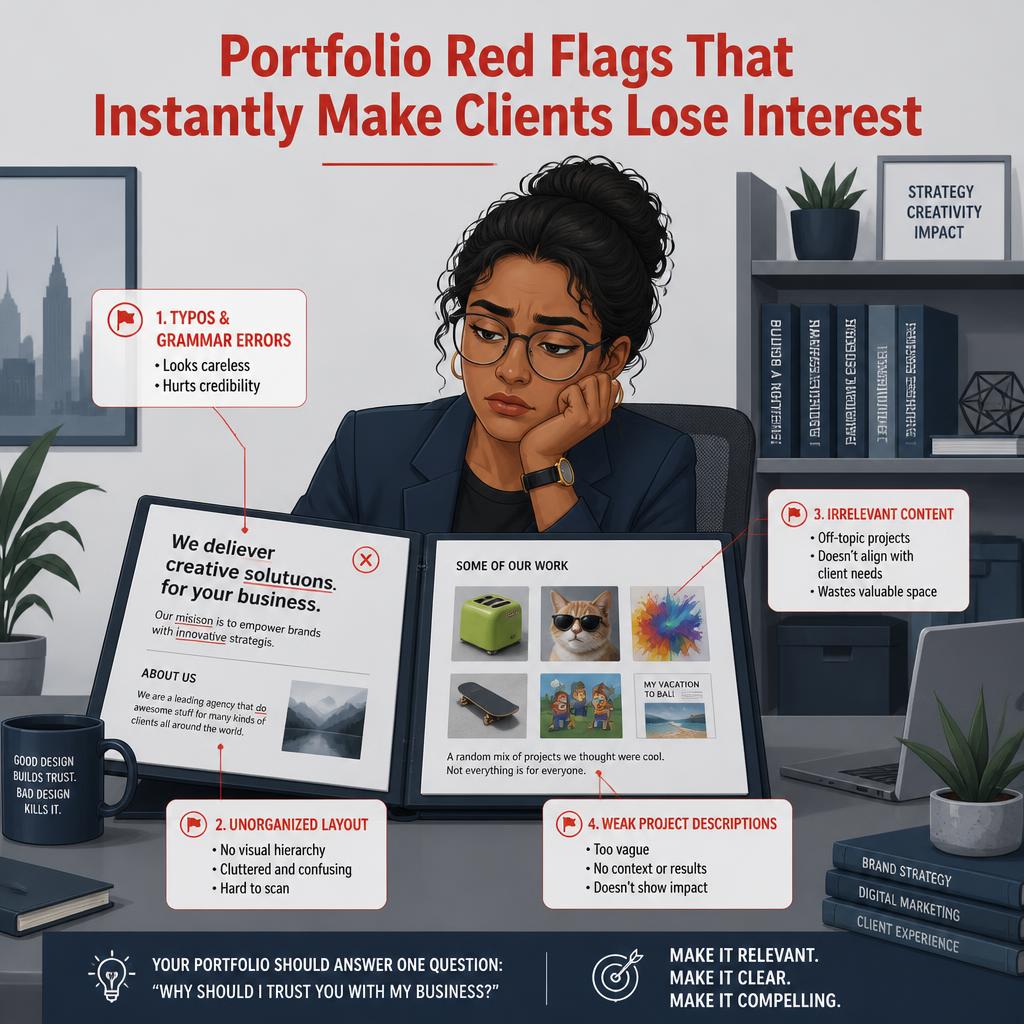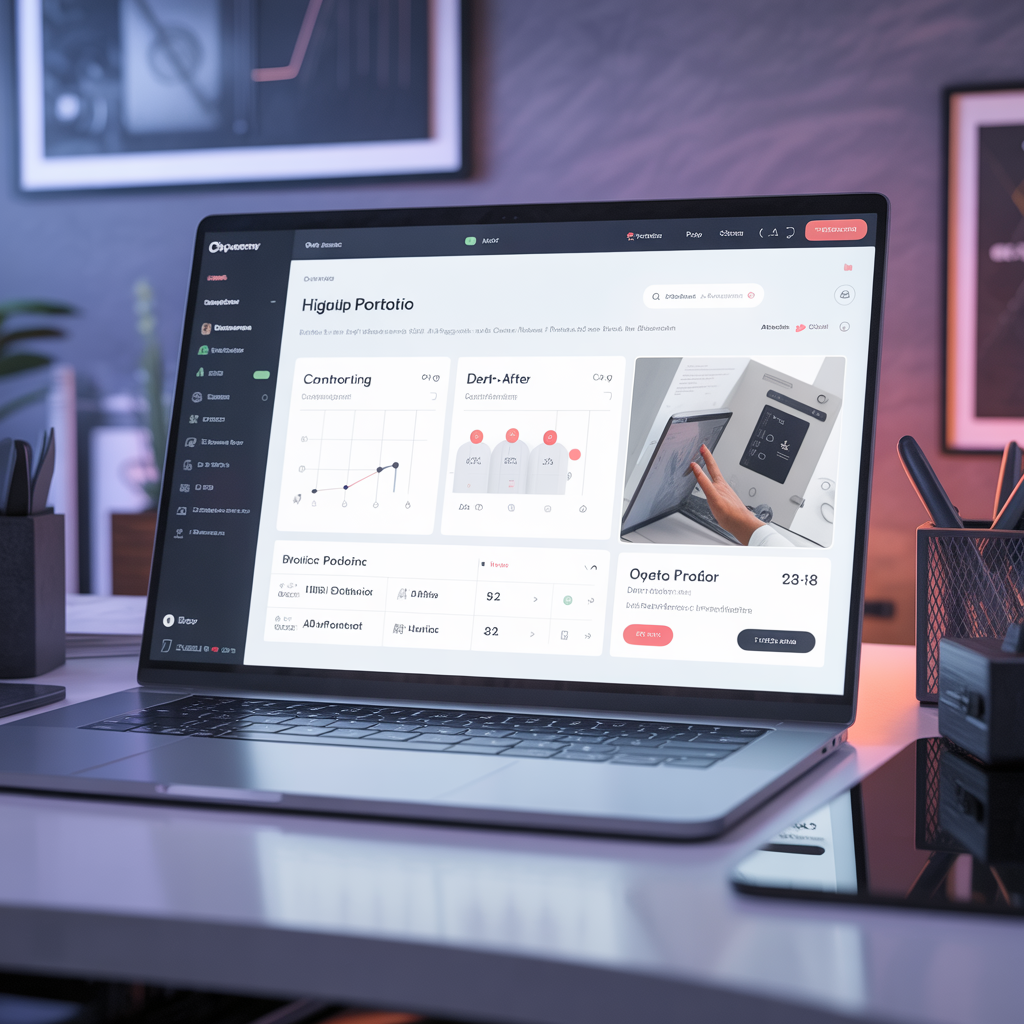
Portfolio & Case Studies: My Cat Could Impress Clients Too!?? is a humorous yet insightful take on how modern professionals present their work, build credibility, and win clients in a world that often judges within seconds of scrolling. Whether you’re a freelancer, agency owner, or creative thinker, your presentation of work can literally decide if someone trusts you—or just keeps scrolling. – asorillasdoulla
In today’s digital-first environment, visual storytelling and structured proof of results matter more than ever. People don’t just want to see what you did; they want to understand how you think, solve problems, and deliver outcomes. That’s exactly where portfolios and case studies become powerful tools instead of just “nice-to-have” pages on a website.
What Are Portfolio & Case Studies in Modern Branding
A portfolio is basically your highlight reel. It shows your work, your style, and your range. A case study goes deeper—it explains the journey behind the result.
What is a Portfolio?
A portfolio is a curated collection of your best work. Designers, developers, writers, and marketers use it to visually prove their abilities.
What is a Case Study?
A case study breaks down a project step-by-step: the problem, approach, execution, and outcome. It’s storytelling with structure.
Why Both Matter Together
When combined, they give both visual appeal and logical proof. One shows “what,” the other explains “how.”
Who Uses Them (And Why It’s Not Just Designers)
You might think only designers care about portfolios, but that’s outdated.
Freelancers and Creatives
They use portfolios to attract clients quickly without long explanations.
Agencies and Startups
They rely on case studies to win bigger contracts and enterprise deals.
Corporate Professionals
Even consultants and product managers now use mini case studies in presentations.
The Hidden Reality
In competitive industries, perception often becomes reality. A strong presentation can outperform even stronger skills if communicated better.
Where Portfolio & Case Studies Matter Most
These tools show up everywhere:
Websites and Landing Pages
Your homepage often decides your first impression in under 5 seconds.
LinkedIn Profiles
Recruiters skim portfolios before reading resumes.
Pitch Decks
Investors want proof, not promises.
Freelance Platforms
Profiles with case studies tend to convert better than plain listings.
When You Should Start Building Them
The best time is not “later”—it’s after your first real project.
Early Stage Creators
Even small projects can become powerful stories.
Mid-Level Professionals
This is where refining presentation becomes critical.
Experienced Experts
You should be optimizing clarity, not just adding more work.
Why They Matter More Than Ever
Trust is the new currency in digital business.
Builds Instant Credibility
People trust structured proof more than self-descriptions.
Increases Conversion Rates
Clear storytelling reduces hesitation from potential clients.
Creates Emotional Connection
Stories stick longer than bullet points.
Psychological Trigger Behind It
Humans naturally respond to narrative structure. We remember stories, not lists of achievements.
How to Build Strong Portfolio & Case Studies
Building them isn’t about complexity—it’s about clarity.
Step 1: Choose Your Best Work
Not everything deserves to be shown. Curate wisely.
Step 2: Add Context
Explain the problem before showing the solution.
Step 3: Show the Process
Behind-the-scenes thinking builds trust.
Step 4: Highlight Results
Numbers, improvements, or impact always matter.
Step 5: Keep It Simple
Clarity always beats complexity in communication.
Storytelling Formula That Actually Works
A strong case study usually follows this pattern:
- Problem
- Approach
- Execution
- Result
- Insight
This structure keeps readers engaged and helps them follow your thinking naturally.
Common Mistakes People Make
Many portfolios fail not because of weak work—but weak presentation.
Too Much Information
Overloading confuses readers instead of convincing them.
No Clear Narrative
Random screenshots don’t tell a story.
Ignoring Results
Without outcomes, work feels incomplete.
Overdesigning Everything
Sometimes simplicity looks more professional than flashy design.
Real-World Psychology Behind Decision Making
People don’t hire based on logic alone.
Trust Signals Matter
Consistency, clarity, and proof build subconscious trust.
Visual Hierarchy Influences Attention
The way content is arranged changes perception.
Emotional Resonance Wins
If your story feels relatable, it becomes memorable.
At this point, many professionals refine their positioning using Portfolio & Case Studies as a central strategy to turn random work into structured credibility assets that actually convert visitors into clients.
Example Breakdown (Mini Case Study Style)
Imagine a freelance designer working with a small coffee brand.
- Problem: Low online engagement
- Approach: Rebranding + social media visuals
- Execution: New color system, logo refresh, campaign design
- Result: 3x engagement in 2 months
- Insight: Visual identity directly affects audience perception
Even a simple project like this becomes powerful when structured properly.
How to Make It Stand Out in a Crowded Market
You don’t need more projects—you need better presentation.
Focus on Clarity Over Quantity
Fewer but stronger examples always win.
Use Real Metrics When Possible
Even small improvements matter.
Add Personal Insight
Explain what you learned from each project.
A strong portfolio is no longer just a showcase—it’s a strategic communication tool that speaks before you do. When done right, it can open doors faster than resumes, referrals, or cold outreach ever could.
A well-crafted narrative, supported by structured evidence and clear storytelling, transforms simple work into perceived expertise. That’s the real power behind modern professional presentation systems.
In the end, Portfolio & Case Studies is not just a concept—it becomes the silent salesperson that works for you 24/7, shaping perception, building trust, and driving opportunity long after you’ve moved on to your next project.