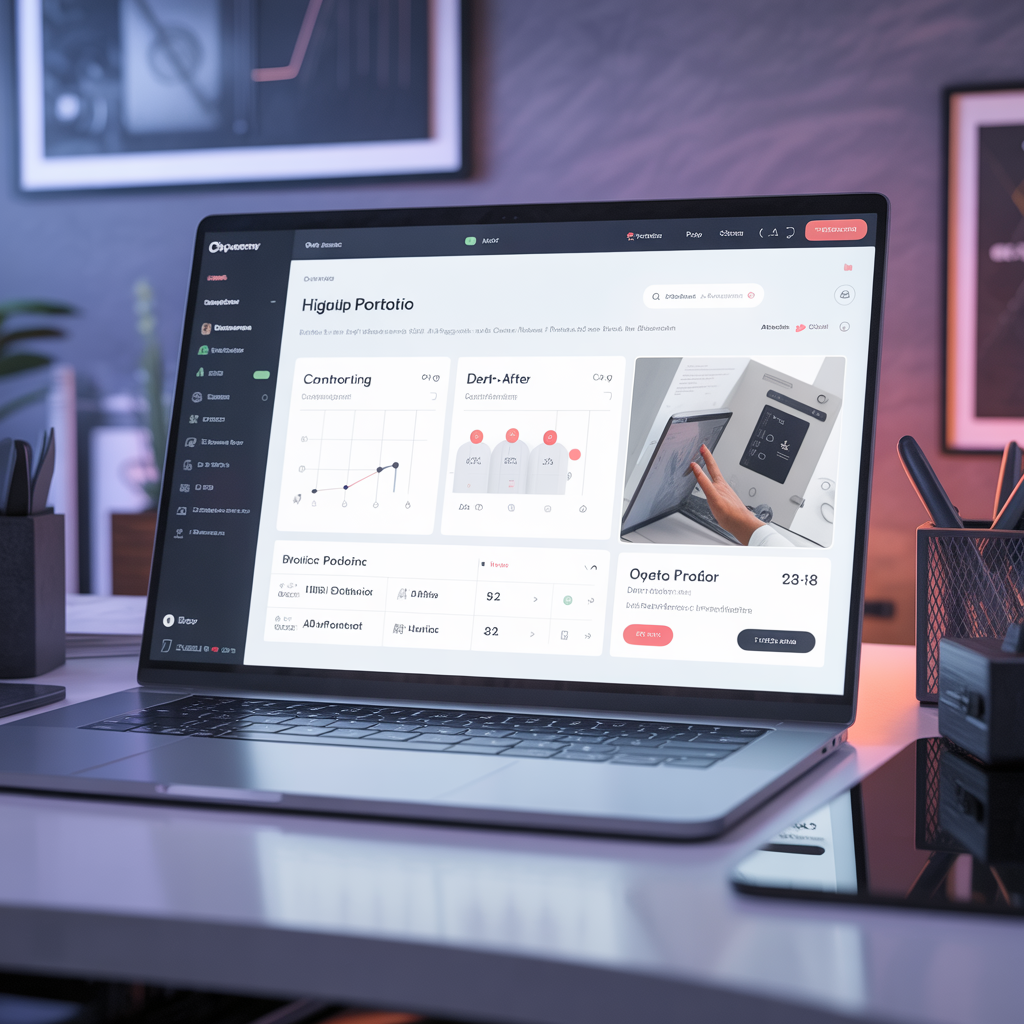
Portfolio Design Tips for Creative Professionals: 2026 Guide AI has become one of the hottest topics among designers, photographers, illustrators, and digital creators who want to stand out in an increasingly competitive industry. In 2026, a portfolio is no longer just a collection of work samples. It has evolved into a professional identity that showcases your creativity, problem-solving skills, and unique approach to design. – asorillasdoulla.com
With the rapid growth of Artificial Intelligence (AI) and digital technology, building a strong portfolio has become more important than ever. A well-crafted portfolio can open doors to new clients, exciting collaborations, and better career opportunities.
Why a Portfolio Matters More Than Ever
A portfolio acts as your personal marketing tool. Before hiring a creative professional, most companies and clients want to see real examples of your work.
They usually ask questions such as:
- What projects have you completed?
- What skills do you possess?
- How do you approach creative challenges?
- Does your style fit our needs?
A portfolio provides the answers without saying a single word.
Creative Portfolio Trends in 2026
The creative industry continues to evolve, and portfolio design trends are changing along with it.
AI-Powered Presentations
Many professionals now use Artificial Intelligence tools to create layouts, generate ideas, and improve project presentations.
Minimalist Design
Clean and simple interfaces remain the preferred choice because they make content easier to understand.
Interactive Experiences
Modern portfolios often include animations, interactive prototypes, and responsive websites instead of static PDF files.
Define Your Portfolio’s Purpose First
Before collecting your projects, determine why you are creating the portfolio.
For Job Applications
Show projects that match the position you’re applying for.
For Freelance Clients
Highlight projects that demonstrate your ability to solve problems and deliver results.
For Personal Branding
Choose works that reflect your personality and creative identity.
Knowing your goal will help you create a more focused portfolio.
Quality Beats Quantity
One of the biggest mistakes creative professionals make is including too many projects.
A portfolio should showcase your best work, not every project you’ve ever completed.
How Many Projects Should You Include?
A good portfolio usually contains:
- 8 to 15 high-quality projects
- Recent and relevant work
- Projects that demonstrate different skills
A carefully selected collection leaves a stronger impression than an overwhelming gallery.
Tell the Story Behind Each Project
A portfolio should do more than display beautiful images.
Clients and employers want to understand your thinking process.
What Should You Explain?
The Challenge
What problem needed to be solved?
The Creative Process
How did you develop your ideas and find solutions?
The Outcome
What results did your work achieve?
Using storytelling techniques makes your portfolio more engaging and memorable.
Create an Easy-to-Navigate Design
A complicated portfolio can quickly drive visitors away.
Some essential design principles include:
- Use readable typography.
- Avoid excessive colors.
- Add enough white space.
- Keep navigation simple and intuitive.
A great User Experience (UX) can significantly improve how people perceive your work.
Showcase Relevant Skills
Not every skill needs to be included.
Focus on abilities that support your career goals.
Graphic Designers
- Brand Identity
- Packaging Design
- Social Media Design
Photographers
- Commercial Photography
- Product Photography
- Photo Retouching
UI/UX Designers
- Wireframing
- Prototyping
- User Research
Showing specialized expertise can make you more attractive to employers and clients.
Optimize Your Portfolio for Search Engines
A beautiful portfolio won’t help much if nobody can find it online.
To improve visibility:
Use Relevant Keywords
Include keywords related to your profession and services.
Write Project Descriptions
Provide detailed explanations of your projects.
Name Your Files Properly
For example:
modern-logo-design-fashion-brand.jpg
Search engine optimization can increase the chances of your portfolio appearing on Google searches.
Use AI to Improve Your Portfolio
Artificial Intelligence has become a valuable tool for creative professionals.
Writing Better Descriptions
AI tools can help create more professional project summaries.
Generating Presentation Ideas
AI can suggest layouts and presentation concepts.
Researching Design Trends
Technology can identify current trends and provide inspiration.
However, AI should only support your work. Creativity and original thinking remain irreplaceable human qualities.
Build a Strong Personal Brand
Your portfolio should tell people who you are, not just what you do.
Add a Professional Photo
A professional image builds trust and credibility.
Write a Short Introduction
Explain your background, experience, and expertise.
Provide Contact Information
Make it easy for potential clients and employers to reach you.
A strong personal brand makes you more memorable in a crowded marketplace.
Common Portfolio Mistakes to Avoid
Even talented professionals can lose opportunities because of simple mistakes.
Using Outdated Projects
Old work may no longer represent your current abilities.
Creating a Cluttered Design
Too many elements can distract visitors.
Ignoring the Creative Process
People want to understand how you think and work.
Including Every Project
Curate your work carefully and only show your strongest pieces.
Keep Your Portfolio Updated
The creative industry moves quickly.
Your portfolio should evolve as your skills and experiences grow.
Consider updating it every three to six months by:
- Adding recent projects
- Removing outdated work
- Improving descriptions
- Following new design trends
A regularly updated portfolio demonstrates professionalism and continuous growth.
The Future of Creative Portfolios in the AI Era
In the coming years, portfolios will likely become even more immersive through technologies such as Augmented Reality (AR), Virtual Reality (VR), and Artificial Intelligence (AI).
Creative professionals who embrace these technologies while maintaining their originality will gain a significant advantage in the industry.
The future belongs to individuals who can combine technology with human creativity to deliver meaningful experiences.
Ultimately, Portfolio Design Tips for Creative Professionals: 2026 Guide AI is more than a guide to organizing projects. It is a strategy for building a professional identity, attracting new opportunities, and standing out in an increasingly digital world. By selecting your best work, telling compelling stories, leveraging AI tools, and continuously improving your portfolio, you can create a powerful presentation of your talent and take your creative career to the next level.