asorillasdoulla – Beyond Static Slides: The Living Strategy Behind Portfolio & Case Studies That Actually Sell explores how modern professionals turn simple project showcases into persuasive storytelling engines that attract clients, employers, and investors. In a digital environment where attention is fragmented and competition is brutal, the ability to present work with clarity, narrative depth, and measurable impact becomes a decisive advantage.
What Makes a Portfolio Truly Persuasive?
A portfolio is no longer just a gallery of work. It’s a structured argument about skill, value, and problem-solving ability.
The Shift from Showcase to Story
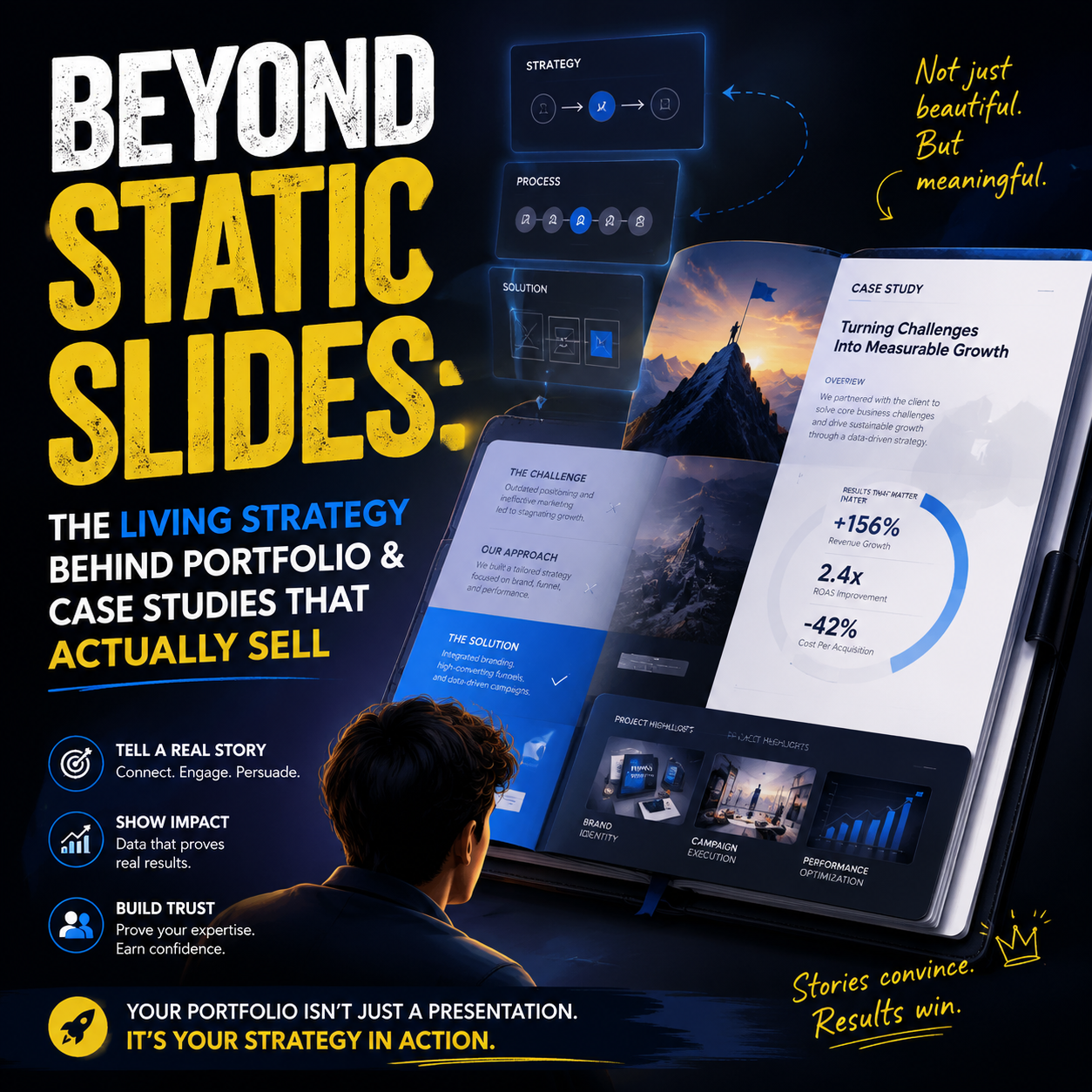
Old portfolios were static. Modern ones behave like narratives. They answer three questions:
- What problem existed?
- How was it solved?
- What changed after the solution?
The Role of Context
Without context, even brilliant work looks average. Context transforms visuals into meaning, and meaning into persuasion.
Who Actually Uses Portfolio Systems Today?
Portfolios are no longer limited to designers or photographers.
Creative Professionals
Designers, writers, video editors, and developers use portfolios as proof of capability.
Strategic Thinkers
Marketers, product managers, and consultants rely on case studies to demonstrate decision-making logic.
Hybrid Roles in the Modern Economy
In roles shaped by digital transformation and automation systems, hybrid professionals use portfolios to bridge technical and strategic narratives.
Where Portfolios Matter Most in the Digital Ecosystem
Portfolios live across multiple environments, not just websites.
Personal Branding Platforms
LinkedIn, Behance, and personal websites act as visibility engines.
Recruitment Funnels
Companies often evaluate candidates through curated case studies before interviews even happen.
Freelance Marketplaces
Platforms like Upwork or Fiverr rely heavily on past work demonstrations to determine trust.
When Case Studies Become Critical Decision Tools
Timing matters. Portfolios become most powerful at decision points.
Before Hiring Decisions
Recruiters scan portfolios to reduce uncertainty.
Before Client Contracts
Clients want proof of outcomes, not promises.
During Investment Pitches
Startups use structured case narratives to validate scalability and traction.
Why Case Studies Outperform Traditional Resumes
This is where things get interesting.
A resume tells. A case study proves.
Cognitive Trust Mechanics
Humans trust evidence more than claims due to cognitive bias toward verification.
Emotional Engagement Layer
Story-driven content activates emotional processing, increasing recall and trust.
The Conversion Effect
At this stage, the concept of Portfolio & Case Studies becomes central to converting attention into action, because it connects skill with measurable outcomes instead of abstract claims.
How to Structure High-Impact Portfolio Narratives
Strong portfolios follow predictable but powerful structures.
The Problem-Solution-Impact Model
- Problem definition
- Strategic approach
- Execution breakdown
- Final outcome
Layering Technical Depth
Advanced portfolios include:
- Tools used (Figma, React, Python)
- Methodologies (Agile, Lean UX)
- Constraints and trade-offs
The Psychology Behind High-Converting Case Studies
Case studies work because they mimic decision-making in real life.
Narrative Framing Effects
People interpret the same outcome differently depending on how it is framed.
Trust Signals in Design
- Before/after comparisons
- Metrics and KPIs
- Visual breakdowns
Micro-Storytelling Elements
Even small details like color choices or iteration notes influence perception.
Data, Metrics, and Proof of Execution
Numbers transform storytelling into authority.
Quantifying Impact
Examples:
- Conversion increase: +32%
- Load time reduction: -1.8s
- Engagement growth: +54%
The Role of Analytical Models
Frameworks like A/B testing models and predictive analytics strengthen credibility.
At this point, strong professionals naturally embed Portfolio & Case Studies into every narrative decision they make, ensuring that each project reflects not just execution but measurable transformation.
Common Mistakes That Kill Portfolio Effectiveness
Even strong work can fail if presented poorly.
Overloading Without Narrative
Too many visuals without explanation dilute impact.
Ignoring Audience Perspective
A recruiter thinks differently than a client or investor.
Weak Outcome Framing
If results are unclear, the entire case loses weight.
SEO and Visibility Optimization for Portfolio Content
A portfolio must also be discoverable.
Keyword Mapping Strategy
Align project pages with search intent.
Internal Linking Structure
Connect case studies to related skills or services.
Semantic Relevance Signals
Search engines interpret contextual relationships between content blocks.
Future Trends in Portfolio Development
The next evolution is already unfolding.
AI-Assisted Case Building
Tools using machine learning models will auto-generate case summaries.
Interactive Portfolio Systems
Dynamic portfolios will adjust based on viewer behavior.
Real-Time Performance Dashboards
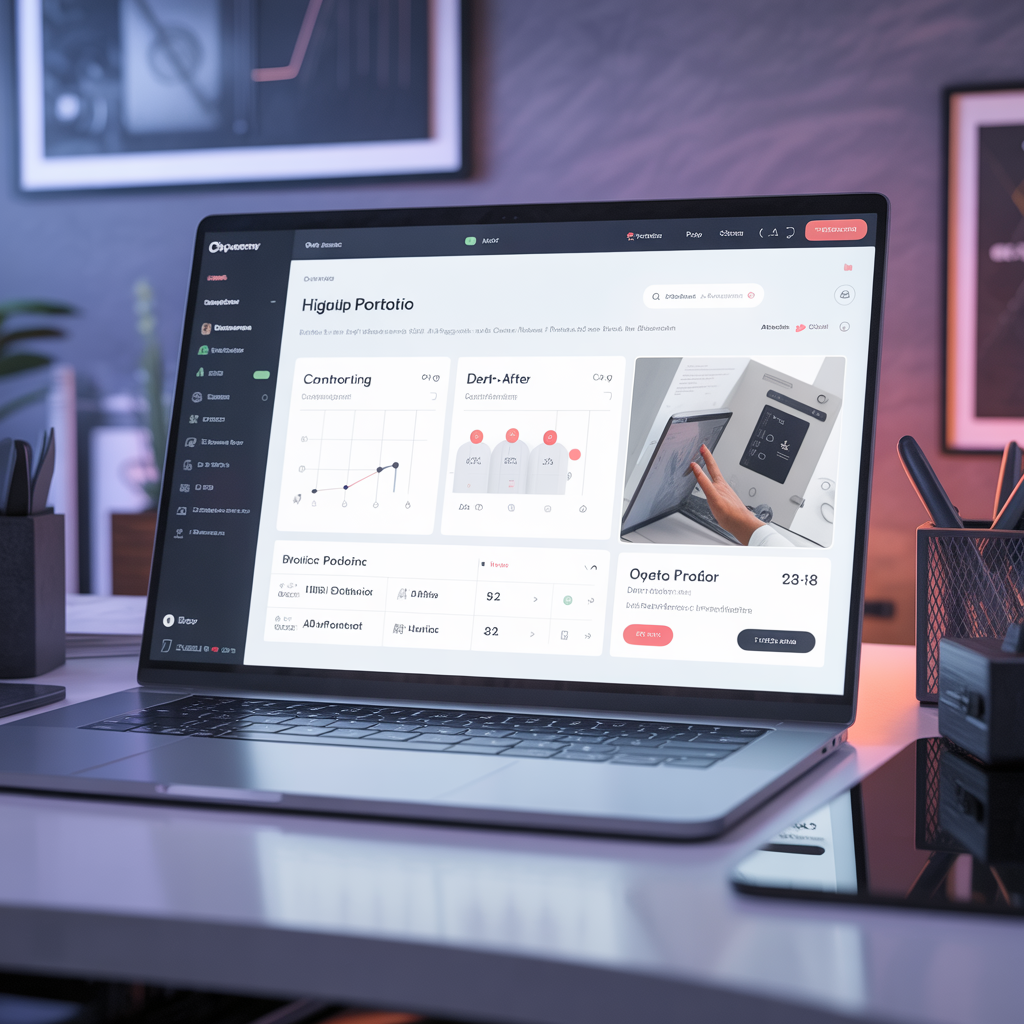
Instead of static pages, portfolios will behave like live systems.
A strong portfolio is not just a collection of completed tasks—it is a structured argument about value, capability, and transformation. When built correctly, it reflects clarity of thought, depth of execution, and measurable results that resonate across industries.
In the end, success in competitive markets increasingly depends on how effectively professionals construct and present their work through systems like Portfolio & Case Studies, where clarity meets strategy and storytelling meets proof.